What Makes a Great Game When You Have No Signal?

Best Offline Android Games to Play Without Internet in 2025

Stuck on a long commute or in a waiting room with no Wi-Fi? Offline android games keep the fun flowing anywhere, as they run entirely from your device’s storage without needing a data connection. You simply download a title once, then tap and play whenever boredom strikes, enjoying everything from puzzles to adventures without interruptions. The best part is that they never drain your data plan, making them a reliable, battery-friendly escape you can pull out at any moment.

What Makes a Great Game When You Have No Signal?

A great offline Android game for no-signal moments hinges on **instant, frictionless access**—no forced login, no server sync, just tap-and-play. It must respect your dead zone by relying on local saves and procedural generation, so every subway tunnel or mountain trail feels like a fresh run. The best titles offer a full gameplay loop that doesn’t degrade: deep strategy, roguelike progression, or sandbox building that thrives without leaderboards or daily events. Battery efficiency and small file size matter too, because you’re not charging mid-hike. Crucially, it should never taunt you with a “retry connection” popup—instead, it turns isolation into a feature.

A truly great offline game makes you forget the signal ever existed, not merely tolerate its absence.

Dynamic pacing—quick 5-minute bursts or 2-hour marathons—ensures it adapts to your wait, not the other way around.

Why Data-Free Play Is a Lifesaver for Commutes and Flights
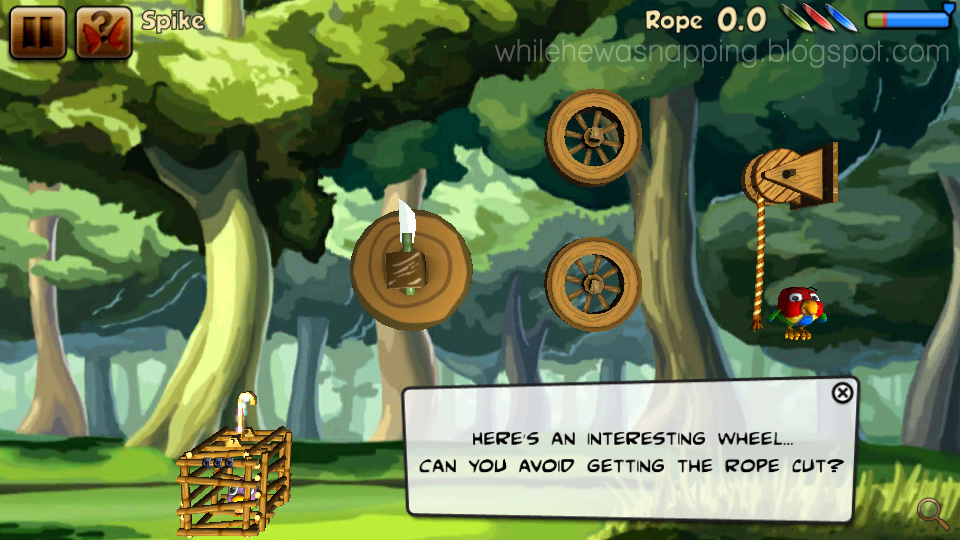
offline android games

Data-free play is a lifesaver for commutes and flights because it eliminates the anxiety of dead zones, tunnels, and airplane mode. Without needing a connection, your offline Android games remain instantly launchable, so you never face a loading screen that stalls mid-trip. This reliability matters most during unpredictable delays—a 30-minute tarmac hold or a subway outage no longer wastes your time. To maximize this benefit, follow a simple sequence: first, download games and their assets on Wi-Fi; second, enable airplane mode to test that no hidden ad or login block appears; third, keep a rotation of three varied genres to match your remaining battery. The result is seamless, uninterrupted play from gate to destination, turning every idle minute into entertainment.

How Storage Size and Battery Drain Affect Your Experience

Storage size dictates how many offline titles you can keep installed, directly shaping your library’s depth during signal-free stretches. A 2GB game may leave little room for save files and cached assets, forcing painful uninstall cycles. Battery drain, meanwhile, determines session longevity: a graphically heavy offline RPG can consume 20% per hour, while lightweight puzzle titles might sip under 5%. Optimizing storage and battery life means prioritizing smaller, efficient games for travel, and using battery saver modes while disabling background syncing. A game that drains your phone in two hours ruins a long flight, whereas a compact, power-thrifty title extends playtime without anxiety.

Single-Player Depth vs. Quick Pick-Up-and-Play Sessions

The best offline Android game for a dead zone depends entirely on your moment. A deep strategy RPG or sprawling metroidvania offers incredible single-player depth, pulling you into a rich world for hours—perfect for a long flight. But when you have just ten minutes in a waiting room, that heavy narrative investment feels like a chore. That’s where a quick pick-up-and-play session shines, with simple controls and match-based loops you can drop instantly. The real trick is curating both types, ensuring a satisfying experience whether you crave a lengthy immersive campaign or just a quick dopamine hit. Balancing your offline library between these two extremes is the key to never being bored without a signal.

Top Genres That Thrive Without a Connection

Offline Android games prove that a stable internet link isn’t a prerequisite for deep engagement. Puzzle titles like *Monument Valley* and *Threes!* flourish offline, offering bite-sized, logic-driven challenges that respect your time and battery. Roguelikes and deck-builders, such as *Slay the Spire* or *Dead Cells*, thrive without a connection because their procedural runs generate endless replayability, letting you restart instantly after a defeat. Similarly, story-rich RPGs and visual novels—think *Bastion* or *80 Days*—immerse you in hand-crafted worlds where every dialogue choice matters, no server sync required. Finally, sandbox and survival games like *Crashlands* or *Don’t Starve* deliver robust crafting loops and base-building that adapt to your device’s local memory. These genres prioritize self-contained mechanics, immediate feedback, and solo progression, making them perfect for commutes, flights, or any dead zone where your data plan can’t follow.

Puzzle and Logic Games That Keep Your Brain Sharp

Offline puzzle and logic games for Android train working memory through pattern recognition, spatial reasoning, and deductive problem-solving without needing a data signal. Titles like *Sudoku*, *Monument Valley*, and *The Witness* require you to manipulate abstract rules, plan multiple moves ahead, and test hypotheses against immediate feedback—all stored locally on your device. These games adapt difficulty dynamically, forcing your brain to shift between heuristics and systematic trial, which strengthens cognitive flexibility. Since there is no multiplayer or server sync, every puzzle is a self-contained challenge, letting you pause mid-thought and resume without losing progress. Daily logic grids and block-based puzzles also reduce distraction by eliminating ads or timers tied to connectivity.

RPGs and Action Titles With Full Campaigns Built In

RPGs and action titles with full campaigns built in excel offline because their core loop—progression, exploration, and combat—requires no external validation. A deep single-player story, such as a sprawling dungeon crawler or a hack-and-slash epic, offers dozens of hours of structured content that unfolds without server checks or live events. Complete offline campaigns in RPGs deliver a self-contained arc, where every quest and boss fight is pre-scripted and stored locally. Their replay value hinges on build variety and hidden secrets rather than multiplayer parity. This makes them ideal for commutes or travel, where connectivity is unreliable.

  • Look for games with a defined ending, not endless procedurally generated loops, to ensure a full campaign.
  • Check if save files are local and auto-sync to device storage, preventing progress loss without a cloud.
  • Prioritize titles with adjustable difficulty, as offline balance depends solely on your skill, not patches.
  • Verify that all DLC or expansions are pre-packed into the APK, avoiding mid-campaign paywalls.

Strategy and Simulation Games Where You Control the Pace

Strategy and simulation games on Android flourish offline because their core loop respects your schedule, letting you issue commands, pause, and resume without penalty. Turn-based tactics like *XCOM* or city builders such as *The Bonfire* allow you to analyze maps, queue production, and save mid-mission, all while airplane mode stays on. This independence from live servers means no forced cooldowns or matchmaking waits, making them ideal for commutes. *However, the lack of cloud sync demands manual backups if you switch devices, as progress lives solely on your device.* For deep, self-directed play, offline strategy games with pause mechanics deliver unmatched control, turning any idle moment into a deliberate, thoughtful session.

How to Find Hidden Gems in the Play Store

You’ll never stumble upon a true offline gem by scrolling the “Top Charts,” because those lists are rigged for games with constant internet hooks. Instead, open the Play Store’s search bar and type a *very specific* phrase like “open world survival no wifi” or “RPG offline no ads,” then scroll past the first three pages—that’s where indie developers hide. Next, tap the “Editor’s Choice” tab, but don’t read descriptions; download a game with less than 50,000 downloads and zero in-app purchases listed, then test it in airplane mode while waiting for a bus. The real trick is checking the “Similar games” section of a known good title like *Sword of Xolan*—the algorithm surfaces obscure clones with better mechanics.

Your best find will always come from a Reddit thread titled “Games that work on a 2016 phone,” not from any curated shelf.

Finally, sort ratings by “Most Helpful” and read only the 3-star reviews—they complain about battery drain or difficulty spikes, which tells you exactly how the game *actually* plays offline.

Using Filters and Keywords to Exclude Online-Only Titles

To dodge the flood of multiplayer games, open the Play Store’s filter menu and tap “Offline games” under category—but that alone isn’t enough. Pair it with smart keyword exclusions like typing “-online -multiplayer -MMO” into the search bar before hitting enter. Many titles sneak “online” into their description even if they have a solo mode, so also toggle the “Requires internet” filter to “No” in the advanced options. For extra precision, search “offline RPG,” then manually scan the description for “single player” or “no Wi-Fi needed.” Combining these filters and negative keywords drastically cuts out server-based games, leaving you with true portable gems.

offline android games

Use the offline filter plus negative keywords like “-online” to strip away internet-dependent titles and surface single-player-only Android games.

offline android games

Reading Reviews for Offline Playability and Performance

Before downloading, filter reviews by “Most Helpful” and specifically search for keywords like “offline,” “airplane mode,” or “no Wi-Fi.” Scrutinize comments mentioning offline performance under real-world conditions, such as battery drain, load times, or forced reconnections. Ignore generic praise; focus on users who detail hours of uninterrupted play. Look for reviews that mention specific devices, since a game may run flawlessly on one chipset but stutter on another. Be wary of recent negative spikes that flag a broken update. Finally, cross-check the most recent reviews with older ones to spot whether offline stability has degraded over time.

  • Search for “offline” within the review sort bar to isolate relevant feedback.
  • Weight reviews that mention background app restarts or save-game loss android games review after closing the app.
  • Prioritize reviewers who state they played for multiple sessions without any network toggle.

The Best Ways to Check File Size and Device Compatibility

Before downloading, tap “About this game” to view the exact install size, but remember this often excludes post-install data. Cross-check the required Android version and minimum RAM against your device’s spec sheet via Settings → About Phone. For deeper checks, use “App Info” on your launcher to see current storage usage, or filter Play Store results by “Device compatibility” in search filters. A useful trick is to search the game’s name plus “APK size” to find real-world reports. Verify storage headroom by subtracting your free space from the listed size, ensuring you have double that amount for extraction.

Smart Ways to Manage Your Game Library on a Budget

To manage your offline Android game library on a budget, prioritize data-efficient storage management by routinely moving large APK and OBB files to a microSD card via the “Move to SD” feature, freeing internal space without re-purchasing. Use a file manager to identify duplicates or leftover cache folders from uninstalled titles, then delete them manually. Keep a curated list of your top 10 games you actually replay, and uninstall the rest after backing up their save files to a cloud drive or PC—since offline games often lack cloud sync, this prevents losing progress while saving space. Finally, disable auto-updates for offline titles; older versions run perfectly fine, and you avoid unwanted data bloat or forced patches that break offline game library optimization. This ensures your subscription-free collection stays lean, playable, and cost-effective.

Spotting Premium Games Worth Paying For vs. Free Options With Ads

When weighing offline Android games, a premium title earns its price if it offers a complete, uninterrupted campaign with no energy meters or forced video breaks. Before paying, check if the developer provides a free demo or a “lite” version—this reveals core mechanics without committing cash. Conversely, free options with ads become worthwhile only when interstitial ads appear between levels, not during critical gameplay, and when a reasonable one-time removal fee exists. Premium games worth paying for typically promise offline stability, polished saves, and replayability, while ad-supported titles should never require an internet connection just to inject commercials. If a free game constantly crashes or hides content behind ad-watching, it fails the value test.

Pay only for premium offline games that deliver complete, ad-free experiences; accept free titles solely when ads stay unobtrusive and removal is a single purchase.

offline android games

How to Save Progress Without Cloud Sync Features

For offline Android games lacking cloud sync, manual save file backups are your safety net. First, locate the game’s data folder via a file manager (typically under `/Android/data/package name/files` or `/data/data/package name`). Copy the entire folder to external storage or a PC using USB. For root-accessible devices, use apps like Titanium Backup to snapshot both app data and APK, enabling full restore after reinstalls. Alternatively, export save files directly from the game’s in-app settings if offered—often as a `.txt` or `.dat` file—then email it to yourself. Schedule backups after major progress milestones. Restoring requires replacing the original folder before launching the game. Test restores periodically to verify file integrity.

Backing Up Save Files and Moving Games to an SD Card

For offline Android games, your save data is often the only asset worth preserving, so backing it up before moving files prevents irreversible progress loss. Most games store saves in internal storage under /Android/data, which you can copy manually via a file manager, though some require root or cloud sync for full access. To migrate games to an SD card, first go to Settings → Apps → select the game → Storage → Change, which moves both the APK and its data if the developer allows it. For unsupported titles, use an external file manager to cut the entire game folder from internal memory to the SD card, then create a symlink or use the app’s built-in “move to SD” option. After transferring, launch the game once to verify saves load; if they fail, restore the backup and use a dedicated tool like App2SD instead. A logical sequence for this process:

  1. Back up the save folder to a PC or cloud drive.
  2. Move the game via system storage settings or file manager.
  3. Relocate the backup folder to the new SD path if needed.
  4. Test the game and confirm save integrity before deleting the original copy.

Common Problems With Offline Gaming and How to Fix Them

Offline Android games often suffer from storage bloat, where cached assets pile up and slow performance; fix this by clearing the app’s cache via Settings > Storage, not reinstalling. Another common issue is sudden crashes on older devices, usually from memory pressure—close background apps or lower the in-game graphics settings to stabilize frame rates. Save-file corruption is a silent killer, especially after force-closing mid-checkpoint; mitigate this by manually backing up the game’s data folder to cloud storage or an SD card. However, even the best fixes fail if your battery saver throttles the CPU, so disable that mode specifically for gaming. Finally, if a game refuses to launch offline, it’s often a first-run license check—open it once with internet, then airplane mode works flawlessly. For persistent stuttering, install the APK’s older version that matches your Android OS, as updates rarely optimize for legacy hardware.

offline android games

Dealing With Crashes and Lag on Older Phones

When older phones struggle with offline Android games, the first step is to disable background processes via Developer Options, reducing memory contention that triggers crashes. Lower the game’s resolution and texture quality in its settings, as these are the primary GPU load drivers. If lag persists, force-stop and restart the game before each session to clear cached shader stutter. For recurring freezes, thermal throttling is often the culprit—remove the case and play in short intervals. Clear the game’s cache (not data) weekly. If crashes continue, install an older APK version that matches your device’s Android API level. Finally, keep at least 1GB of free storage; low space causes silent write failures and random force-closes.

Why Some Games Require an One-Time Online Check and What to Do

Some Android games demand a one-time online check to verify your purchase or license, ensuring the downloaded files aren’t pirated or tampered with before offline play unlocks. This validation often occurs on first launch after installation, with the server confirming your account ownership and then caching a local token. If you’re caught without connectivity, the game may stall indefinitely. To fix this, connect to any stable Wi-Fi or mobile network once, launch the game fully, and wait for the confirmation screen to disappear. After that, force-close the app and switch to airplane mode to test offline access. If the check fails repeatedly, clear the app’s cache and retry with a different network, as DNS or proxy issues can block the handshake. Performing a single verified launch is the only reliable workaround, since bypassing the check entirely risks corrupting save data. For persistent errors, reinstall the APK while online, then immediately start the game to trigger the validation prompt before disconnecting.

Updating Games Without Wi-Fi and Keeping Them Playable Long-Term

When you’re stuck without Wi-Fi, updating games becomes a deliberate act of preservation. Sideload the newest APK from the developer’s official site using a PC or mobile data tethering—then disable auto-update to prevent an unfinished patch from bricking your saved progress. For long-term playability, archive the exact APK version plus its matching OBB data files on a microSD card or cloud drive, so a reinstall never requires a network. Pair this with offline-friendly version pinning: decline forced updates that strip out single-player content, and keep your game’s current build functional by periodically backing up the entire Android/data folder to an external drive. That way, your favorite titles survive years of connectivity gaps without ever demanding a connection.

Самые интересные технологические тренды года

Самые интересные технологические тренды года

Технологический прогресс усиливается обороты, и каждый год даёт новшества, которые трансформируют устоявшийся образ жизни. Актуальные проекты касаются множество областей, начиная от медицины и заканчивая развлечениями, при этом темп введения новшеств постоянно возрастает.

Увеличение информатизации сопряжён увеличением угроз, ориентированных на кражу приватной информации и нарушение работы систем. Компании применяют эшелонированную безопасность, объединяющую кодирование, проверку и отслеживание активности. Биометрические способы распознавания подменяют классические ключи, создавая более большую меру защиты подключения.

Хозяйственные роботы-пылесосы составляют карты помещений и разрабатывают маршруты очистки, обходя помехи и возвращаясь на зарядную станцию автоматически. Кухонные приборы приготавливают блюда по предписанным формулам, контролируя температуру и период варки. Газонокосилки косят территории по режиму, приспосабливаясь к топографии участка.

Почему новые технологии развиваются оперативнее прежнего

Медицинские роботы поддерживают докторам во время операций, создавая стабильность приборов и снижая повреждаемость манипуляций. Сельскохозяйственная машины самостоятельно возделывает земли и заготавливает урожай, используя информацию о положении почвы. Обслуживающие роботы действуют в гостиничных комплексах и ресторанах, привозя блюда постояльцам и реализуя элементарные зеркало Мостбет поручения персонала.

Мировая сеть объединяет учёных и создателей из многообразных стран, ускоряя передачу знаниями и коллективную работу над разработками. Свободные исходные коды обеспечивают экспертам изучать внешние подходы и улучшать собственные решения. Венчурные фонды энергично инвестируют в перспективные области, обеспечивая обеспечение инновационных Мостбет идей.

Подготовка персонала фундаменту цифровой безопасности сокращает вероятности фишинга и социальной инженерии. Регулярные проверки охраны определяют бреши архитектуры до того, как злоумышленники получат возможность их использовать. Законодательство увеличивает нормы к управлению индивидуальных данных, вынуждая предприятия вкладывать в новейшие зеркало Мостбет механизмы обеспечения информации.

Искусственный интеллект и увеличение его ресурсов

Соперничество между корпорациями стимулирует систематическое усовершенствование товаров и уменьшение периодов выпуска новшеств на рынок. Покупатели стремительнее адаптируются к инновациям и ожидают всё более качественных подходов, создавая востребованность на современные Mostbet технологии. Обучающие курсы готовят специалистов с актуальными навыками для прикладных инициатив.

Умные приборы и прогресс интернета вещей

Соединённые приборы создают единую сеть, где каждый узел взаимодействует сведениями с остальными элементами системы. Жилищные аппараты управляются через переносные сервисы, обеспечивая контролировать подсветку, температуру и охрану удалённо. Сенсоры мониторят характеристики окружающей условий и самостоятельно корректируют работу устройств.

Технологии погружения формируют правдоподобные имитации, которые обретают реализацию далеко за границами игровой отрасли. Академические институты используют виртуальные обстановки для практических тренировок, где обучающиеся осваивают сложные компетенции без риска. Медицинские профессионалы практикуются на цифровых макетах пациентов, отрабатывая действия перед настоящими манипуляциями.

Робототехника и автоматизация бытовых процессов

Виртуальные вселенные открывают новые просторы для обучения и отдыха, создавая правдоподобные симуляции разнообразных ситуаций. Экологические разработки ориентированы на уменьшение углеродного следа и обдуманное задействование натуральных ресурсов. Охрана цифровой сведений обретает решающее важность, поскольку массивы сведений возрастают экспоненциально, а риски делаются всё более Мостбет утончёнными.

Языковые модели производят тексты, транслируют бумаги и поддерживают беседы, воспроизводя органичное общение с замечательной достоверностью. Компьютерное зрение распознаёт объекты на изображениях, что имеет использование в системах охраны и автономном передвижении. Рекомендательные алгоритмы анализируют склонности потребителей и выдают информацию, отвечающий индивидуальным зеркало Мостбет запросам.

Роботизированные системы принимают на себя реализацию повторяющихся действий, высвобождая людей для креативных задач. Производственные линии задействуют манипуляторы для сборки запутанных конструкций с точностью до микрометров. Складские сооружения комплектуются самостоятельными транспортёрами, которые перемещают товары без присутствия работников.

Виртуальная и обогащённая реальность в актуальных направлениях

Среди наиболее видных течений выступают системы машинного обучения, которые перерабатывают огромные объёмы данных и содействуют выбирать заключения в режиме реального времени. Прогресс соединённых гаджетов выстраивает общую экосистему, где каждый элемент сообщается с остальными. Автоматизация производственных процессов позволяет снизить расходы и усилить результативность.

Экологические технологии и варианты для сбережения ресурсов

Кибербезопасность и защита цифровых сведений

Интенсификация технологического продвижения обусловлено с несколькими условиями, которые укрепляют друг друга и создают эффект снежного кома. Вычислительные возможности актуальных процессоров увеличились в тысячи раз, что предоставляет решать вопросы, некогда представлявшиеся нереализуемыми. Доступность облачных платформ предоставляет возможность стартапам эксплуатировать производительные ресурсы без существенных инвестиций.

Промышленные датчики проверяют кондицию техники и предугадывают неисправности до их наступления, сокращая задержки производства. Муниципальная инфраструктура эксплуатирует сенсоры для управления транспортными перемещениями и освещением улиц. Логистические предприятия мониторят грузы в реальном времени, собирая данные о расположении и обстоятельствах содержания товаров на всех стадиях Mostbet пересылки.

Какие направления существеннее всего воздействуют на скорое будущее

Цифровые средства и автономные финансовые системы изменят банковский отрасль, создавая переводы быстрее и проще. Учебные сервисы с адаптивными программами предоставят достойное обучение вне зависимости от местного нахождения. Синтез биологии и технологий повлечёт к созданию субстанций с неповторимыми характеристиками, которые найдут внедрение в здравоохранении, возведении и изготовлении Mostbet товаров.

What Exactly Do Community Health Programs Offer You?

Protecting Your Community: How Public Health Services Work for You

When you or your family face a health concern but aren’t sure where to turn, public health services step in to bridge that gap with accessible, community-based care. These services work through local clinics, outreach programs, and prevention campaigns to offer screenings, immunizations, and health education—often at low or no cost. By connecting you directly with trusted professionals, they help you catch issues early and manage chronic conditions before they worsen. Public health services exist to protect everyone’s well-being, and you can access them simply by contacting your local health department or visiting a neighborhood health center.

public health services

What Exactly Do Community Health Programs Offer You?

Community health programs offer you direct, low-barrier access to preventive screenings, immunizations, and chronic disease management, often sliding-scale based on income. They bring services into your neighborhood, eliminating transportation and cost hurdles. You receive personalized health education, nutrition counseling, and help navigating complex systems like Medicaid or specialty referrals. What exactly do they offer that a doctor’s office doesn’t? They assign you a community health worker who follows up, coordinates your care across providers, and addresses social factors—like housing or food access—that affect your health. They also provide episodic care for acute illnesses, maternal-child support, and mental health first aid, all within a framework that prioritizes prevention over treatment. Ultimately, they function as your ongoing health partner, not just a crisis response.

Core Medical Screenings and Preventive Check-Ups Accessible Locally

Community health programs provide local preventive check-up access through scheduled screenings for blood pressure, cholesterol, blood glucose, and body mass index at neighborhood clinics and mobile units. These screenings detect early risk factors for cardiovascular disease and diabetes before symptoms appear. You can also receive routine vision and hearing tests, dental inspections, and immunizations during the same visit. Many locations offer annual wellness exams that include personalized follow-up guidance based on your results. Checkups are often free or sliding-scale, and walk-in slots are commonly available for uninsured residents.

  • Blood pressure and cholesterol panels in under 30 minutes.
  • Fasting glucose tests with same-day result counseling.
  • Vision and hearing checks at community centers or school-based sites.
  • Adult immunization updates during your preventive visit.

Chronic Disease Management Support for Ongoing Conditions

Community health programs provide structured chronic disease management support that moves beyond episodic care. For ongoing conditions like diabetes, hypertension, or COPD, they offer regular monitoring of vital metrics, medication adherence reviews, and personalized action plans adjusted to your changing status. browncountyhealthdept.org These services include nutrition counseling tailored to your specific diagnosis, supervised exercise sessions designed to improve cardiovascular or respiratory capacity, and behavioral health check-ins to address depression or anxiety often accompanying long-term illness. Instead of waiting for complications, the team proactively tracks your lab results and symptom logs, flagging early warning signs. They also coordinate referrals to specialists while ensuring your primary care provider receives updated progress notes after every visit, closing the loop between self-management and clinical oversight.

How to Access Low-Cost or Free Care at Local Health Clinics

To access low-cost or free care at local health clinics, start by locating a Federally Qualified Health Center (FQHC) near you; these public health services offer sliding-scale fees based on your income, regardless of insurance status. Call ahead to ask about community health programs, and bring proof of income, residency, and ID—many clinics use this to calculate your discounted rate. Most FQHCs cannot turn you away for inability to pay, so be direct about financial hardship. Additionally, inquire about same-day walk-in slots or telehealth options, which reduce access barriers. Public health departments often host free screenings or chronic disease management days—check their monthly calendar. Finally, ask the front desk about prescription assistance or on-site pharmacy discounts; these are part of the clinic’s public health mission to eliminate cost as a obstacle to preventive care.

public health services

Step-by-Step Guide to Registering for Sliding-Scale Fees

To start registering for sliding-scale fees, first call or visit your local clinic’s front desk to confirm they offer this payment option. Bring proof of income—like pay stubs, tax returns, or benefit letters—plus a photo ID and household size details. Fill out the short financial intake form, then meet with a billing counselor who calculates your discount based on federal poverty guidelines. Ask about required renewals, typically every six months, and keep copies of everything. You’ll leave with a fee card showing your reduced rate per visit.

  • Verify income documents cover the last 30 days.
  • List all dependents, including children and adults you support.
  • Request a written breakdown of your new visit costs.
  • Set a reminder to re-certify before your card expires.

Required Documents and Eligibility Criteria You Must Prepare

Before visiting a local health clinic, you must systematically prepare the required documents, as missing paperwork is the leading cause of denied or deferred care. Bring a government-issued photo ID, proof of residency (utility bill or lease), and income verification such as recent pay stubs, tax returns, or an unemployment letter. For eligibility criteria for sliding-scale fees, clinics typically require documentation of household size and total monthly income, which determines your payment tier. Additionally, bring insurance cards—even if lapsed—plus prior medical records if you have chronic conditions. Some clinics also mandate a signed self-declaration of income when no formal proof exists.

Q: What if I have no income documentation at all?
A: Most public clinics accept a signed affidavit declaring your financial status, but you must still bring photo ID and proof of local residence, as these are non-negotiable for federal funding compliance.

Key Features of Population-Based Health Initiatives You Should Know

Population-based health initiatives shift focus from individual treatment to systemic prevention across entire communities. Their core feature is risk stratification, using aggregated data to identify vulnerable subgroups—like uninsured adults or rural seniors—rather than waiting for clinical presentations. Effective initiatives deploy *layered interventions*: universal screenings (e.g., blood pressure checks at faith-based sites), targeted outreach (mobile clinics for high-risk zip codes), and environmental adjustments (improving walkability near public housing). They rely on cross-sector partnerships—housing authorities, schools, and employers—because health outcomes hinge on non-clinical determinants. A critical, often overlooked feature is *continuous feedback loops*: real-time surveillance metrics (e.g., emergency department visit spikes) trigger rapid recalibration of resource allocation.

Success is measured not by services delivered, but by shifts in population-level incidence—prevented hospitalizations and reduced disparities.

Always align your initiative with existing public health infrastructure to avoid duplication and maximize trust. Patient confidentiality applies, but aggregate data sharing is non-negotiable for targeting. Finally, sustainability requires embedding programs into permanent funding streams, not grants, since chronic diseases demand decades-long response.

Vaccination Drives and Immunization Schedules for All Ages

Population-based immunization relies on age-specific vaccination schedules that map recommended vaccines from infancy through older adulthood. Drives operationalize these schedules by creating temporary, high-access points for catch-up doses, particularly for children who missed routine visits or adults requiring boosters like Tdap or shingles vaccines. Logically, cohort immunity depends on synchronizing drive timing with seasonal pathogens—such as influenza in autumn—and school-entry requirements. Effective drives also verify prior immunizations, then administer only due doses, avoiding unnecessary repeats. For older adults, schedules prioritize pneumococcal and RSV vaccines, while adolescent drives focus on HPV and meningococcal series completion.

  • Check your personal immunization record before attending a drive to identify missing doses.
  • Bring a guardian or proxy for minors to consent to vaccines on schedule.
  • Ask the drive coordinator about interval spacing if you have recently received any vaccine.

public health services

Maternal and Child Health Assistance Programs Explained

Maternal and child health assistance programs are population-based initiatives that reduce mortality risks by providing continuous, structured care across pregnancy, delivery, and early childhood. These programs operate through coordinated screening for gestational diabetes, preeclampsia, and developmental delays, ensuring early intervention before complications escalate. Crucially, they establish **referral pathways between community health workers and specialized obstetric or pediatric units**, which shortens the time between risk identification and treatment. Nutrition supplementation, such as iron and folic acid distribution, is another core component, directly addressing anemia and low birth weight. Additionally, home-visitation schedules after discharge monitor feeding practices, immunization uptake, and postpartum depression signs in both the mother and infant, creating a feedback loop that adjusts care intensity based on individual needs.

  • Risk-stratified follow-up schedules prioritize high-need families for more frequent check-ins.
  • Vaccination tracking within these programs closes coverage gaps by reminding caregivers of missed doses.
  • Maternal mental health screening is integrated into routine child wellness visits to detect postpartum issues early.
  • Intergenerational impact is achieved by linking maternal education on nutrition to child growth milestones.

What Are the Biggest Benefits of Using Government-Funded Health Centers?

Government-funded health centers remove the financial barrier that often blocks timely care, making preventive services like screenings and immunizations genuinely accessible to everyone. They deliver comprehensive primary care, behavioral health support, and dental services under one roof, which means you avoid fragmented, costly trips to multiple providers. Sliding-scale fees based on income ensure that a job loss or tight budget never forces you to skip necessary treatment. These centers also prioritize chronic disease management, helping patients control conditions like diabetes or hypertension before they escalate into emergencies. Q: What is the single biggest practical advantage? A: Predictable, affordable access to coordinated care regardless of your insurance status or paycheck, catching health problems early instead of reacting to crises.

public health services

Reduced Out-of-Pocket Costs Versus Private Providers

Government-funded health centers dramatically lower financial barriers compared to private clinics, primarily through sliding-fee scales based on your income. Instead of a flat private rate, you pay a calculated percentage, often resulting in single-digit copays for visits. Prescriptions and labs are also offered at reduced rates negotiated by the center, whereas private providers add markup. This model eliminates surprise bills; the cost is fixed upfront during registration. For uninsured patients, the savings are substantial—frequently 50–80% less than a private practice charges for the same service. Even insured patients avoid high deductibles, since centers bill smaller flat fees rather than applying full charges to unmet deductibles. Sliding-fee-scale pricing is the core mechanism ensuring predictable, minimal out-of-pocket expenses.

Q: How much less will I pay at a health center than at a private provider?
A: For a standard chronic-care visit, expect $20–$40 at a health center based on income, versus $150–$300 out-of-pocket at a private clinic before insurance kicks in—a concrete reduction of 70–85% for routine management.

Integrated Care Coordination Across Multiple Specialties

Integrated care coordination across multiple specialties ensures that a patient’s primary care provider, behavioral health counselor, and chronic disease specialist actively share treatment plans and test results. Instead of you repeating your history at each visit, the health center’s electronic system routes your records to every relevant clinician, so a podiatrist, endocrinologist, and nutritionist can adjust their advice based on the same current data. This reduces conflicting prescriptions and duplicate imaging, as each specialist sees what the other has already ordered. For complex conditions like diabetes or heart failure, the coordinating nurse acts as a single point of contact, scheduling follow-ups and translating specialist jargon into daily self-care steps. Centralized appointment scheduling across specialties means you can see multiple providers on the same day, cutting travel time and missed work, while each clinician’s notes directly inform the next one’s decisions. This seamless loop keeps your care consistent and prevents gaps that arise when different doctors operate in isolation.

Practical Tips for Finding the Right Community Wellness Provider

When your back has been aching for weeks, you don’t need a directory—you need someone who listens. Start by asking a clinic nurse or local pharmacist who they’d send their own mother to, because they see which providers actually follow up on test results. Then, call the front desk and ask how long you’d wait for a non-emergency appointment; a two-week gap might mean your condition worsens, while a same-week slot shows real capacity. Drop by the facility before committing—watch if staff greet returning patients by name, and notice whether the waiting area has translated health posters matching your neighborhood’s languages.

The best sign is a provider who asks about your housing and stress before reaching for a prescription pad.

Finally, request a short phone chat with the provider to gauge if they explain lab values in plain words, not jargon. That one conversation often tells you more than any online review.

How to Compare Service Availability and Walk-In Hours

To compare service availability and walk-in hours, first check each provider’s website for a posted weekly schedule, noting whether slots are first-come, first-served or require same-day sign-up. Call during mid-morning on a Tuesday or Wednesday to ask a receptionist directly about typical wait times and the last acceptable arrival time for walk-ins, as these details often differ from printed hours. Then, compare peak times by reviewing signage in waiting areas or asking staff which days see lower volume. Prioritize providers offering extended evening or weekend walk-in windows, since these expand your access beyond standard business hours. Finally, verify whether the walk-in clinic is temporarily closed for lunch or staff meetings, and factor in whether they reserve urgent slots separately from routine care.

public health services

Questions to Ask Before Committing to a Local Health Facility

Before committing to a local health facility, ask how its public health services handle chronic disease management and preventative screenings, ensuring they match your specific needs. Inquire about the average wait time for non-urgent appointments and whether the facility offers evening or weekend hours that fit your schedule. Ask who exactly you will see—a physician, nurse practitioner, or community health worker—and whether that provider remains consistent across visits. Clarify how the facility coordinates care with specialists or social services if you require referrals. Finally, request a clear explanation of sliding-scale fees or payment plans for uninsured patients. These commitment-ready facility questions prevent mismatched expectations later.

  • Ask how your medical records are transferred if you switch providers.
  • Confirm whether interpreters or patient navigators are available on-site.
  • Ask how prescription refills are requested and processed.

Common User Questions About Preventive Care and Outreach Units

People most often ask whether preventive care through outreach units is truly free, and the answer is yes for core screenings like blood pressure, glucose, and cholesterol checks—these are funded by public health budgets to remove cost barriers. A second common question is whether services are available without an appointment; most units operate on a walk-in basis, but calling ahead guarantees faster access to specific tests like mammograms or vaccinations. You might wonder if your personal information stays private when using a mobile clinic—it does, under the same confidentiality rules as a brick-and-mortar health department. However, outreach visits often focus on early detection rather than treatment, so you may be referred elsewhere for follow-up care. Finally, residents frequently ask if these units return to the same neighborhood on a schedule; they do, typically rotating weekly or monthly, and local health department websites list exact dates. Bringing a photo ID and insurance card—if you have one—speeds up registration, but neither is required to receive care. Trust the outreach team to connect you with sliding-scale clinics or patient navigators if you need ongoing support.

Can You Get Prescriptions and Lab Work Done at the Same Location?

In many public health outreach units, on-site lab collection and prescription dispensing are coordinated but not always identical. You may give blood or urine samples at the facility’s lab station, and a clinician can write a prescription during the same visit. However, the medication itself is often provided via an in-house pharmacy or a partnering clinic dispensary, which may require a short walk or a separate counter. Some comprehensive centers do offer both services under one roof, but a same-day prescription fill depends on medication stock and the provider’s dispensing license. Always confirm the specific workflow during check-in, as some labs batch samples for courier pickup, delaying results.

What Telehealth Options Are Available for Remote Consultations?

For preventive care and outreach units, remote consultations typically begin with synchronous video visits through secure patient portals, letting you see a nurse or health educator live for symptom checks or medication reviews. Asynchronous options include store-and-forward messaging, where you upload photos or blood pressure logs for a clinician to review within 24 hours. Many units also offer telephone-only triage lines, ideal for quick advice without internet access. For follow-ups, remote patient monitoring (RPM) devices transmit daily vitals—like glucose or oxygen levels—directly to your care team, who then adjust your plan. Always confirm covered services with your specific outreach unit, as availability varies by program.

What Exactly Do Community Health Programs Offer You?

Protecting Your Community: How Public Health Services Work for You

When you or your family face a health concern but aren’t sure where to turn, public health services step in to bridge that gap with accessible, community-based care. These services work through local clinics, outreach programs, and prevention campaigns to offer screenings, immunizations, and health education—often at low or no cost. By connecting you directly with trusted professionals, they help you catch issues early and manage chronic conditions before they worsen. Public health services exist to protect everyone’s well-being, and you can access them simply by contacting your local health department or visiting a neighborhood health center.

public health services

What Exactly Do Community Health Programs Offer You?

Community health programs offer you direct, low-barrier access to preventive screenings, immunizations, and chronic disease management, often sliding-scale based on income. They bring services into your neighborhood, eliminating transportation and cost hurdles. You receive personalized health education, nutrition counseling, and help navigating complex systems like Medicaid or specialty referrals. What exactly do they offer that a doctor’s office doesn’t? They assign you a community health worker who follows up, coordinates your care across providers, and addresses social factors—like housing or food access—that affect your health. They also provide episodic care for acute illnesses, maternal-child support, and mental health first aid, all within a framework that prioritizes prevention over treatment. Ultimately, they function as your ongoing health partner, not just a crisis response.

Core Medical Screenings and Preventive Check-Ups Accessible Locally

Community health programs provide local preventive check-up access through scheduled screenings for blood pressure, cholesterol, blood glucose, and body mass index at neighborhood clinics and mobile units. These screenings detect early risk factors for cardiovascular disease and diabetes before symptoms appear. You can also receive routine vision and hearing tests, dental inspections, and immunizations during the same visit. Many locations offer annual wellness exams that include personalized follow-up guidance based on your results. Checkups are often free or sliding-scale, and walk-in slots are commonly available for uninsured residents.

  • Blood pressure and cholesterol panels in under 30 minutes.
  • Fasting glucose tests with same-day result counseling.
  • Vision and hearing checks at community centers or school-based sites.
  • Adult immunization updates during your preventive visit.

Chronic Disease Management Support for Ongoing Conditions

Community health programs provide structured chronic disease management support that moves beyond episodic care. For ongoing conditions like diabetes, hypertension, or COPD, they offer regular monitoring of vital metrics, medication adherence reviews, and personalized action plans adjusted to your changing status. browncountyhealthdept.org These services include nutrition counseling tailored to your specific diagnosis, supervised exercise sessions designed to improve cardiovascular or respiratory capacity, and behavioral health check-ins to address depression or anxiety often accompanying long-term illness. Instead of waiting for complications, the team proactively tracks your lab results and symptom logs, flagging early warning signs. They also coordinate referrals to specialists while ensuring your primary care provider receives updated progress notes after every visit, closing the loop between self-management and clinical oversight.

How to Access Low-Cost or Free Care at Local Health Clinics

To access low-cost or free care at local health clinics, start by locating a Federally Qualified Health Center (FQHC) near you; these public health services offer sliding-scale fees based on your income, regardless of insurance status. Call ahead to ask about community health programs, and bring proof of income, residency, and ID—many clinics use this to calculate your discounted rate. Most FQHCs cannot turn you away for inability to pay, so be direct about financial hardship. Additionally, inquire about same-day walk-in slots or telehealth options, which reduce access barriers. Public health departments often host free screenings or chronic disease management days—check their monthly calendar. Finally, ask the front desk about prescription assistance or on-site pharmacy discounts; these are part of the clinic’s public health mission to eliminate cost as a obstacle to preventive care.

public health services

Step-by-Step Guide to Registering for Sliding-Scale Fees

To start registering for sliding-scale fees, first call or visit your local clinic’s front desk to confirm they offer this payment option. Bring proof of income—like pay stubs, tax returns, or benefit letters—plus a photo ID and household size details. Fill out the short financial intake form, then meet with a billing counselor who calculates your discount based on federal poverty guidelines. Ask about required renewals, typically every six months, and keep copies of everything. You’ll leave with a fee card showing your reduced rate per visit.

  • Verify income documents cover the last 30 days.
  • List all dependents, including children and adults you support.
  • Request a written breakdown of your new visit costs.
  • Set a reminder to re-certify before your card expires.

Required Documents and Eligibility Criteria You Must Prepare

Before visiting a local health clinic, you must systematically prepare the required documents, as missing paperwork is the leading cause of denied or deferred care. Bring a government-issued photo ID, proof of residency (utility bill or lease), and income verification such as recent pay stubs, tax returns, or an unemployment letter. For eligibility criteria for sliding-scale fees, clinics typically require documentation of household size and total monthly income, which determines your payment tier. Additionally, bring insurance cards—even if lapsed—plus prior medical records if you have chronic conditions. Some clinics also mandate a signed self-declaration of income when no formal proof exists.

Q: What if I have no income documentation at all?
A: Most public clinics accept a signed affidavit declaring your financial status, but you must still bring photo ID and proof of local residence, as these are non-negotiable for federal funding compliance.

Key Features of Population-Based Health Initiatives You Should Know

Population-based health initiatives shift focus from individual treatment to systemic prevention across entire communities. Their core feature is risk stratification, using aggregated data to identify vulnerable subgroups—like uninsured adults or rural seniors—rather than waiting for clinical presentations. Effective initiatives deploy *layered interventions*: universal screenings (e.g., blood pressure checks at faith-based sites), targeted outreach (mobile clinics for high-risk zip codes), and environmental adjustments (improving walkability near public housing). They rely on cross-sector partnerships—housing authorities, schools, and employers—because health outcomes hinge on non-clinical determinants. A critical, often overlooked feature is *continuous feedback loops*: real-time surveillance metrics (e.g., emergency department visit spikes) trigger rapid recalibration of resource allocation.

Success is measured not by services delivered, but by shifts in population-level incidence—prevented hospitalizations and reduced disparities.

Always align your initiative with existing public health infrastructure to avoid duplication and maximize trust. Patient confidentiality applies, but aggregate data sharing is non-negotiable for targeting. Finally, sustainability requires embedding programs into permanent funding streams, not grants, since chronic diseases demand decades-long response.

Vaccination Drives and Immunization Schedules for All Ages

Population-based immunization relies on age-specific vaccination schedules that map recommended vaccines from infancy through older adulthood. Drives operationalize these schedules by creating temporary, high-access points for catch-up doses, particularly for children who missed routine visits or adults requiring boosters like Tdap or shingles vaccines. Logically, cohort immunity depends on synchronizing drive timing with seasonal pathogens—such as influenza in autumn—and school-entry requirements. Effective drives also verify prior immunizations, then administer only due doses, avoiding unnecessary repeats. For older adults, schedules prioritize pneumococcal and RSV vaccines, while adolescent drives focus on HPV and meningococcal series completion.

  • Check your personal immunization record before attending a drive to identify missing doses.
  • Bring a guardian or proxy for minors to consent to vaccines on schedule.
  • Ask the drive coordinator about interval spacing if you have recently received any vaccine.

public health services

Maternal and Child Health Assistance Programs Explained

Maternal and child health assistance programs are population-based initiatives that reduce mortality risks by providing continuous, structured care across pregnancy, delivery, and early childhood. These programs operate through coordinated screening for gestational diabetes, preeclampsia, and developmental delays, ensuring early intervention before complications escalate. Crucially, they establish **referral pathways between community health workers and specialized obstetric or pediatric units**, which shortens the time between risk identification and treatment. Nutrition supplementation, such as iron and folic acid distribution, is another core component, directly addressing anemia and low birth weight. Additionally, home-visitation schedules after discharge monitor feeding practices, immunization uptake, and postpartum depression signs in both the mother and infant, creating a feedback loop that adjusts care intensity based on individual needs.

  • Risk-stratified follow-up schedules prioritize high-need families for more frequent check-ins.
  • Vaccination tracking within these programs closes coverage gaps by reminding caregivers of missed doses.
  • Maternal mental health screening is integrated into routine child wellness visits to detect postpartum issues early.
  • Intergenerational impact is achieved by linking maternal education on nutrition to child growth milestones.

What Are the Biggest Benefits of Using Government-Funded Health Centers?

Government-funded health centers remove the financial barrier that often blocks timely care, making preventive services like screenings and immunizations genuinely accessible to everyone. They deliver comprehensive primary care, behavioral health support, and dental services under one roof, which means you avoid fragmented, costly trips to multiple providers. Sliding-scale fees based on income ensure that a job loss or tight budget never forces you to skip necessary treatment. These centers also prioritize chronic disease management, helping patients control conditions like diabetes or hypertension before they escalate into emergencies. Q: What is the single biggest practical advantage? A: Predictable, affordable access to coordinated care regardless of your insurance status or paycheck, catching health problems early instead of reacting to crises.

public health services

Reduced Out-of-Pocket Costs Versus Private Providers

Government-funded health centers dramatically lower financial barriers compared to private clinics, primarily through sliding-fee scales based on your income. Instead of a flat private rate, you pay a calculated percentage, often resulting in single-digit copays for visits. Prescriptions and labs are also offered at reduced rates negotiated by the center, whereas private providers add markup. This model eliminates surprise bills; the cost is fixed upfront during registration. For uninsured patients, the savings are substantial—frequently 50–80% less than a private practice charges for the same service. Even insured patients avoid high deductibles, since centers bill smaller flat fees rather than applying full charges to unmet deductibles. Sliding-fee-scale pricing is the core mechanism ensuring predictable, minimal out-of-pocket expenses.

Q: How much less will I pay at a health center than at a private provider?
A: For a standard chronic-care visit, expect $20–$40 at a health center based on income, versus $150–$300 out-of-pocket at a private clinic before insurance kicks in—a concrete reduction of 70–85% for routine management.

Integrated Care Coordination Across Multiple Specialties

Integrated care coordination across multiple specialties ensures that a patient’s primary care provider, behavioral health counselor, and chronic disease specialist actively share treatment plans and test results. Instead of you repeating your history at each visit, the health center’s electronic system routes your records to every relevant clinician, so a podiatrist, endocrinologist, and nutritionist can adjust their advice based on the same current data. This reduces conflicting prescriptions and duplicate imaging, as each specialist sees what the other has already ordered. For complex conditions like diabetes or heart failure, the coordinating nurse acts as a single point of contact, scheduling follow-ups and translating specialist jargon into daily self-care steps. Centralized appointment scheduling across specialties means you can see multiple providers on the same day, cutting travel time and missed work, while each clinician’s notes directly inform the next one’s decisions. This seamless loop keeps your care consistent and prevents gaps that arise when different doctors operate in isolation.

Practical Tips for Finding the Right Community Wellness Provider

When your back has been aching for weeks, you don’t need a directory—you need someone who listens. Start by asking a clinic nurse or local pharmacist who they’d send their own mother to, because they see which providers actually follow up on test results. Then, call the front desk and ask how long you’d wait for a non-emergency appointment; a two-week gap might mean your condition worsens, while a same-week slot shows real capacity. Drop by the facility before committing—watch if staff greet returning patients by name, and notice whether the waiting area has translated health posters matching your neighborhood’s languages.

The best sign is a provider who asks about your housing and stress before reaching for a prescription pad.

Finally, request a short phone chat with the provider to gauge if they explain lab values in plain words, not jargon. That one conversation often tells you more than any online review.

How to Compare Service Availability and Walk-In Hours

To compare service availability and walk-in hours, first check each provider’s website for a posted weekly schedule, noting whether slots are first-come, first-served or require same-day sign-up. Call during mid-morning on a Tuesday or Wednesday to ask a receptionist directly about typical wait times and the last acceptable arrival time for walk-ins, as these details often differ from printed hours. Then, compare peak times by reviewing signage in waiting areas or asking staff which days see lower volume. Prioritize providers offering extended evening or weekend walk-in windows, since these expand your access beyond standard business hours. Finally, verify whether the walk-in clinic is temporarily closed for lunch or staff meetings, and factor in whether they reserve urgent slots separately from routine care.

public health services

Questions to Ask Before Committing to a Local Health Facility

Before committing to a local health facility, ask how its public health services handle chronic disease management and preventative screenings, ensuring they match your specific needs. Inquire about the average wait time for non-urgent appointments and whether the facility offers evening or weekend hours that fit your schedule. Ask who exactly you will see—a physician, nurse practitioner, or community health worker—and whether that provider remains consistent across visits. Clarify how the facility coordinates care with specialists or social services if you require referrals. Finally, request a clear explanation of sliding-scale fees or payment plans for uninsured patients. These commitment-ready facility questions prevent mismatched expectations later.

  • Ask how your medical records are transferred if you switch providers.
  • Confirm whether interpreters or patient navigators are available on-site.
  • Ask how prescription refills are requested and processed.

Common User Questions About Preventive Care and Outreach Units

People most often ask whether preventive care through outreach units is truly free, and the answer is yes for core screenings like blood pressure, glucose, and cholesterol checks—these are funded by public health budgets to remove cost barriers. A second common question is whether services are available without an appointment; most units operate on a walk-in basis, but calling ahead guarantees faster access to specific tests like mammograms or vaccinations. You might wonder if your personal information stays private when using a mobile clinic—it does, under the same confidentiality rules as a brick-and-mortar health department. However, outreach visits often focus on early detection rather than treatment, so you may be referred elsewhere for follow-up care. Finally, residents frequently ask if these units return to the same neighborhood on a schedule; they do, typically rotating weekly or monthly, and local health department websites list exact dates. Bringing a photo ID and insurance card—if you have one—speeds up registration, but neither is required to receive care. Trust the outreach team to connect you with sliding-scale clinics or patient navigators if you need ongoing support.

Can You Get Prescriptions and Lab Work Done at the Same Location?

In many public health outreach units, on-site lab collection and prescription dispensing are coordinated but not always identical. You may give blood or urine samples at the facility’s lab station, and a clinician can write a prescription during the same visit. However, the medication itself is often provided via an in-house pharmacy or a partnering clinic dispensary, which may require a short walk or a separate counter. Some comprehensive centers do offer both services under one roof, but a same-day prescription fill depends on medication stock and the provider’s dispensing license. Always confirm the specific workflow during check-in, as some labs batch samples for courier pickup, delaying results.

What Telehealth Options Are Available for Remote Consultations?

For preventive care and outreach units, remote consultations typically begin with synchronous video visits through secure patient portals, letting you see a nurse or health educator live for symptom checks or medication reviews. Asynchronous options include store-and-forward messaging, where you upload photos or blood pressure logs for a clinician to review within 24 hours. Many units also offer telephone-only triage lines, ideal for quick advice without internet access. For follow-ups, remote patient monitoring (RPM) devices transmit daily vitals—like glucose or oxygen levels—directly to your care team, who then adjust your plan. Always confirm covered services with your specific outreach unit, as availability varies by program.

What Exactly Do Modern Pet Health Clinics Offer Under One Roof?

Complete Veterinary Services for Your Dogs, Cats, and Small Pets

When your dog limps after a playful run, veterinary services provide the skilled diagnosis and treatment that turns worry into relief. Through routine check-ups, vaccinations, and personalized care plans, these services act as a safety net for your pet’s health, catching issues early and managing chronic conditions with compassion. By simply booking an appointment and sharing your observations, you unlock a team dedicated to easing pain, extending life, and strengthening the bond you share with your companion.

What Exactly Do Modern Pet Health Clinics Offer Under One Roof?

Modern pet health clinics consolidate a full spectrum of veterinary services into a single, streamlined visit. Under one roof, you get routine wellness exams, core and lifestyle vaccinations, and comprehensive diagnostic tools—including in-house blood analyzers, digital radiology, and ultrasound—that deliver same-day results. Surgical suites handle spays, neuters, and soft-tissue procedures, while dental cleanings with charting and extractions are performed under anesthesia. Chronic disease management, such as diabetes or kidney failure, includes ongoing monitoring and prescription diets. Emergency stabilization, intravenous fluid therapy, and microchipping round out the offerings. What exactly do modern pet health clinics offer under one roof? In short, they provide a complete ecosystem of preventive, diagnostic, medical, surgical, and dental care—so you avoid referral trips and receive coordinated treatment tailored to your pet’s immediate needs.

Core Wellness Exams vs. Sick Visits: Knowing Which Appointment Your Pet Needs

veterinary services

A core wellness exam is your pet’s annual preventive checkup—think of it as a baseline for healthy aging, covering vaccinations, parasite screening, and early disease detection. A sick visit, in contrast, is triggered by a specific issue like vomiting, limping, or appetite loss, and focuses on diagnosing and stabilizing that acute problem. If your pet is acting normally but is due for routine care, schedule a wellness exam. If you notice a sudden change in behavior, energy, or eating, book a sick visit instead—delaying could turn a minor issue into an emergency. Choosing correctly ensures your pet gets the right level of care without unnecessary stress.

Beyond Checkups: Dental, Surgical, and Diagnostic Capabilities Available On-Site

Beyond routine wellness exams, modern clinics function as complete treatment hubs. Advanced on-site diagnostics, including digital radiography and ultrasonography, allow immediate imaging results without external lab delays. In-house analyzers deliver blood work within minutes, enabling swift anesthesia protocols. Surgical suites support soft tissue procedures, spays/neuters, and even orthopedic repairs, while dental units provide ultrasonic scaling, polishing, and extractions under monitored anesthesia. This integration means a fractured tooth or suspected mass is addressed during the same visit, not scheduled weeks later. For owners, the benefit is seamless continuity of care—biopsies, fluid analysis, and emergency laparotomies happen in the same building, reducing stress on the pet and streamlining recovery under familiar supervision.

Understanding Lab Work, Imaging, and Pharmacy Services at Your Local Animal Hospital

Understanding lab work, imaging, and pharmacy services at your local animal hospital means recognizing how these in-house capabilities deliver faster diagnoses and treatment. A full-service clinic typically runs blood chemistry, complete blood counts, and urinalysis on-site, returning critical results within minutes rather than days. Digital radiography, ultrasound, and sometimes CT scans allow your veterinarian to evaluate soft tissue, bones, and organs immediately, reducing the stress of referrals. The attached pharmacy stocks chronic medications, antibiotics, and preventives, so your pet leaves with verified dosages tailored to their weight and condition. By combining these elements, your veterinary team can adjust treatments during a single visit, ensuring a seamless flow from diagnostic testing to prescribed therapy.

How to Prepare for Your Pet’s First Visit to a Veterinary Practice

Before the door to the veterinary practice swings open, gather your pet’s vaccine history, prior medical records, and a fresh stool sample in a sealed bag—the staff will rely on these to build a baseline. Bring a favorite treat and a familiar blanket, because the exam room smells of antiseptic and fear, and your calm voice becomes the anchor they’ll trust. Let your pet explore the waiting area at their own pace, and tell the front desk about any recent dietary changes or odd behaviors, even if they seem trivial. Keep a written list of three specific questions for the vet, so you don’t forget them when the stethoscope moves. *The real preparation, though, is your own breath—slow and steady, because your pet reads your tension before the vet ever reads their pulse.* Finally, practice gentle handling at home by touching paws and ears, so the physical exam feels less like an ambush and more like a shared ritual. That first visit isn’t just a checkup; it’s the opening chapter of a trusting relationship between you, your pet, and the team who’ll guard their health for years.

What Medical Records and Vaccination History Should You Bring?

veterinary services

Bring any prior veterinary records, including complete vaccination history, to your pet’s first visit. Gather documents from previous clinics or shelters, focusing on rabies, distemper, parvovirus, and leptospirosis titers or boosters. Also include lab results, surgical notes, and current medication lists. If records are missing, request a summary via fax or email before the appointment. For rescues, verify that the shelter’s vaccination dates match your adoption paperwork. Organize items chronologically, then prepare a list of dates for each vaccine. Additionally, note any adverse reactions to past shots. Finally, bring a fecal sample and your pet’s microchip number, as these complement your vaccination timeline.

Key Questions to Ask the Care Team During Your Initial Consultation

During your initial consultation, prioritize asking about pet handling protocols, since this directly shapes your pet’s stress level. Request specifics on how the team restrains anxious animals and whether fear-free techniques are standard. Clarify what diagnostics are recommended for your pet’s age or breed, and ask for a cost estimate before any tests are performed. Inquire about post-visit follow-up procedures, including who to contact for medication adjustments or worsening symptoms. Finally, confirm the emergency triage process—whether same-day slots exist for urgent concerns. These questions ensure no ambiguity about care pathways, financial expectations, or your role in at-home recovery.

How to Help Your Anxious or Nervous Pet Acclimate to the Clinic Environment

To ease acclimation, begin with short, non-medical visits where your pet simply explores the waiting room and receives treats, separating the clinic’s scent from invasive procedures. Pair every handling step—from weighing to stethoscope contact—with high-value rewards, desensitizing the animal to restraint. Schedule appointments during quieter hours to minimize sensory overload from barking and unfamiliar foot traffic. Practice car rides to the parking lot beforehand, rewarding calm behavior upon arrival. Crucially, use counter-conditioning with phased exposure: first the lobby, then the exam room with the door open, then closed-door sessions where you perform mock examinations at home using similar tools, all while maintaining a neutral, confident tone that signals safety rather than alarm.

Which Veterinary Care Options Fit Your Pet’s Lifestyle and Your Budget

Matching veterinary care options to your pet’s routine starts with assessing risk factors like outdoor access, age, and breed-specific issues. For active dogs who hike or swim, prioritize a clinic offering flexible wellness plans with bundled parasite prevention and injury coverage, rather than per-visit fees. Indoor cats with low activity may need only core preventive exams, so a basic annual package suffices, saving you from paying for unnecessary add-ons like dental imaging unless clinically indicated. If your budget is tight, ask your vet about tiered service packages—many practices now offer “essential,” “balanced,” and “premium” tiers, letting you select coverage for vaccinations, bloodwork, or emergency telehealth without overpaying. For senior pets or those with chronic conditions, a monthly subscription model with unlimited nurse consultations often fits better than a pay-per-checkup structure, ensuring early intervention without surprise bills.

veterinary services

Comparing Routine Preventive Plans Versus Pay-Per-Visit Pricing Models

When weighing routine preventive plans versus pay-per-visit pricing, consider your pet’s age and predictable needs. A preventive plan consolidates annual exams, core vaccines, and fecal tests into a monthly fee, smoothing cash flow and encouraging consistent care—ideal for puppies or seniors with scheduled boosters. Pay-per-visit suits owners who prefer flexibility, paying only for acute issues, but routine costs (e.g., heartworm tests) often exceed plan fees over a year. Calculate your pet’s baseline: if you’d book two exams and three preventive services annually, a plan typically saves 15–30%; otherwise, episodic care wins. Cost predictability is the core trade-off.

Q: How do I decide between a preventive plan and pay-per-visit for a healthy adult cat?
A: Compare the plan’s annualized cost against your cat’s real needs—one exam, one rabies vaccine, and a fecal test. If the plan charges more than that sum, pay-per-visit is cheaper; if it includes dental or bloodwork, the plan may justify the premium.

When to Consider Specialty Services Like Dermatology, Cardiology, or Rehab Therapy

Turn to specialty veterinary care when your regular vet identifies a condition that resists standard treatment or requires advanced diagnostics. Dermatology becomes essential for chronic itching, recurrent ear infections, or hair loss that hasn’t resolved with first-line therapies. Cardiology is warranted if your pet shows a heart murmur, unexplained coughing, or sudden exercise intolerance, especially in breeds predisposed to heart disease. Rehab therapy benefits pets recovering from orthopedic surgery, managing arthritis, or rebuilding strength after neurological injuries. *If your primary vet recommends a specialist, acting early often reduces long-term costs and improves outcomes.*

Specialty When to Consider
Dermatology Persistent itching, skin infections, or allergies unresponsive to basic meds
Cardiology Heart murmur, fainting, or breathing changes confirmed by your oak tree animal hospital vet
Rehab Therapy Post-surgical recovery, chronic joint pain, or mobility loss

veterinary services

Evaluating Mobile or House-Call Vet Options for Pets with Mobility Issues

For pets with mobility issues, house-call vets eliminate the stress and physical strain of car rides, stairs, and clinic waiting rooms. Evaluate how the vet handles in-home diagnostics—confirm they can perform blood draws, X-rays, or ultrasound on-site, or if you’ll need referral trips for advanced imaging. Ask about their experience with arthritic or paralyzed pets: they should know how to safely position and examine an animal that cannot easily shift or stand. Also clarify the service area radius, emergency response time, and whether they offer palliative or end-of-life care at home. Choosing a house-call vet for mobility-limited pets requires balancing convenience against the depth of equipment they bring.

  • Confirm the vet can manage basic lab work or sedation in your home without clinic backup.
  • Check if the exam table-free setup means floor-level checks that are less painful for stiff or weak joints.
  • Ask if they carry a portable scale or can estimate weight for medication dosing.
  • Verify if follow-up visits are included or billed separately for conditions like chronic joint pain.

How to Recognize Quality Care and Effective Communication from Your Pet’s Doctor

Spotting quality care starts the moment you walk in—your vet should greet you by name and ask about your pet’s daily life, not just the symptom. Effective communication means they explain diagnoses in plain language, show you exactly what to monitor at home, and always confirm you understand before moving on. A great doctor invites questions, revisits your concerns without rushing, and shares aftercare instructions both verbally and in writing. They should also offer clear cost breakdowns upfront, so there are no surprises. Trust your gut: if you feel dismissed or confused, that’s a red flag. Quality care feels collaborative—your input is valued, and your pet’s comfort is the priority in every recommendation made.

Red Flags Versus Green Flags: Reading the Exam Room and Client Communication

A reliable vet exam room shows green flags when the doctor sits at your pet’s level, asks about daily behavior, and explains “why” behind each test before performing it. Watch for red flags like rushed handling, dismissive answers to your questions, or pressure to authorize extra procedures without clear reasoning. Green-flag communication includes repeating your concerns back to you and offering written aftercare instructions. Red flags include vague diagnoses, avoiding your eye contact, or using jargon without translation. If a vet becomes defensive when you request a second opinion, that signals poor collaboration. Trust builds when staff lets you hold your pet during exams and gives you time to decide.

Green flags mean transparency, patience, and shared decision-making; red flags mean rushed, vague, or defensive interactions that undermine client trust.

Understanding Treatment Plans: How to Decode Cost Estimates and Care Protocols

A treatment plan is your roadmap, not a random list of charges. Decode it by checking that every line item pairs a specific action—like “dental extraction” or “post-op radiograph”—with a clear price, so you can spot bundled fees versus à la carte costs. Look for a written care protocol that sequences diagnostics before procedures, ensuring your pet isn’t rushed into surgery without baseline bloodwork. Ask your vet to flag “estimate only” items, which may shift if complications arise, and confirm which medications are included for home recovery. A transparent plan also separates urgent interventions from optional add-ons, letting you prioritize without guesswork. If anything feels vague, request a breakdown in plain language—because a quality clinic welcomes scrutiny over its treatment plan transparency before you commit financially.

When to Seek a Second Opinion from Another Veterinary Professional

Seek a second opinion from another veterinary professional when your pet’s condition worsens despite following the prescribed treatment, or when the diagnosis feels uncertain and the doctor cannot offer a clear explanation. If a major surgery or long-term medication is recommended, and you sense pressure or hesitation, request a consult elsewhere. Also consider a second opinion when your current veterinarian dismisses your observations or refuses to discuss alternatives. A useful sequence: compile your pet’s records, list unresolved concerns, then book a review with a different clinic. Unresolved pain or a stalled recovery after two weeks are practical triggers. Trust your instincts if communication breaks down repeatedly.

Making the Most of Follow-Up Care and Long-Term Health Management

Maximizing follow-up care begins with scheduling the recommended recheck before leaving the clinic, as this locks in continuity for chronic conditions like diabetes or arthritis. Track medication responses between visits using a simple journal of appetite, mobility, and weight, which gives your veterinarian actionable data for adjusting long-term health management plans. Ask specifically about dose tapering or dietary changes at each progress check, rather than assuming stability. For senior pets, combine bloodwork with a quality-of-life scoring tool to catch subtle declines early. Never skip the “annual” exam for a pet on maintenance therapy—organ function shifts silently, and dosing must be recalibrated to prevent toxicity or loss of efficacy. Finally, request a written care roadmap, including emergency red flags, so you can confidently manage flare-ups between professional visits.

How to Manage Prescription Diets, Refills, and Medication Schedules Between Visits

Between veterinary visits, manage prescription diets by adhering strictly to the labeled feeding guidelines and requesting a written prescription to purchase food from a reputable pharmacy if more convenient. For medication refills, call your clinic 3–5 business days before supplies run low, confirming the exact dosage and any synchronization needs for multiple drugs. Schedule daily medication using a pill organizer or a phone alarm, and note when each dose runs out to prompt a refill request. Streamlining refill requests through your clinic’s online portal reduces phone delays. Track your pet’s weight monthly to flag diet adjustments for the next check-up. Medication synchronization—aligning all refill dates—simplifies logistics.

Q: How do I handle a prescription diet if my pet stops eating it mid-month?
A: Do not abruptly switch to non-prescription food; instead, call your veterinarian for a slow-transition plan or a temporary alternative formula, ensuring nutritional consistency until your next consultation.

veterinary services

What to Track at Home Regarding Behavior, Appetite, and Mobility for Better Checkups

Before your next vet visit, jot down a few quick notes on behavior, appetite, and mobility patterns—this turns a rushed checkup into a targeted conversation. For behavior, track sudden hiding, excessive barking, or litter box accidents, plus how often they seek or avoid attention. For appetite, note whether they finish meals, drink more water than usual, or show interest in treats but not kibble. For mobility, record any stiffness after naps, hesitance on stairs, or lagging on walks. A simple date-stamped log—even three bullet points—helps your vet spot subtle shifts early, making checkups far more productive.

Building an Ongoing Care Timeline for Puppies, Seniors, and Chronic Conditions

Building an ongoing care timeline transforms veterinary visits from reactive crises into proactive milestones. For puppies, schedule vaccinations, deworming, and monthly weight checks to map developmental leaps, adjusting boosters precisely when maternal immunity wanes. Seniors need biannual senior panels, dental cleanings, and mobility assessments plotted against breed-specific aging rates, catching osteoarthritis or kidney decline before symptoms cripple quality of life. Chronic conditions—diabetes, epilepsy, heart disease—demand a rolling calendar of rechecks, medication troughs, and dietary tweaks, with owners logging daily symptoms so vets can recalibrate treatment within weeks, not months. This timeline is your contract for long-term health management, ensuring no vaccine gap, no silent progression, and no avoidable emergency. Book the next visit before leaving the clinic.

A structured care timeline for puppies, seniors, and chronic cases keeps each life stage and disease trajectory on track, turning follow-ups into predictable, life-extending interventions.

What Exactly Does a Modern Security Offering Include?

Cybersecurity Services That Actually Keep Your Business Safe

When a small business owner spots a suspicious login attempt at 3 a.m., cybersecurity services act as a digital security guard, instantly monitoring networks, flagging anomalies, and blocking intruders before they reach sensitive data. These services work by deploying layered tools like firewalls, endpoint protection, and continuous threat detection, all managed by experts who respond to alerts in real time. The benefit is peace of mind: you get proactive defense, swift incident response, and regular vulnerability scans without needing an in-house IT team. To use them, simply choose a managed provider, connect your systems, and let their dashboard guide you through setup and ongoing protection.

What Exactly Does a Modern Security Offering Include?

A modern security offering for cybersecurity services is a layered defense architecture, not a single product. It begins with continuous asset discovery and vulnerability prioritization, mapping every device and software version to exploit likelihood. The core includes 24/7 threat monitoring with a dedicated SOC that correlates logs, network traffic, and endpoint telemetry. Crucially, it integrates automated response playbooks that isolate compromised hosts before human analysts intervene. Beyond technology, the offering bundles incident retainer support—a guaranteed line to senior responders—and monthly red-team testing that simulates realistic adversary paths. A vital component is data backup verification, where restores are actually tested, not assumed. Every service must be scoped with clear service-level agreements for detection and containment, typically measured in minutes. The single most overlooked element is the separation of duties between your internal IT and the security provider—no provider should have unrestricted admin access to your core systems.

Core Protections: Endpoint, Network, and Cloud Defenses

Core protections in a modern security offering converge **endpoint, network, and cloud defenses** into a unified posture. Endpoint agents continuously monitor devices for malicious behavior, isolating compromised hosts before lateral movement occurs. Network defenses segment traffic and inspect east-west flows, while cloud-native controls enforce identity-based policies across multi-cloud workloads. This triad ensures that a breach on one vector triggers automated containment elsewhere, not just alerting. For practical deployment, every service should include:

  • Real-time endpoint isolation with rollback of infected files.
  • Zero-trust network access that verifies every connection, not just border traffic.
  • Cloud workload protection platforms for misconfiguration detection and runtime threat blocking.

Together, these layered defenses reduce blind spots, ensuring visibility from the laptop to the virtual private cloud without requiring separate consoles or manual correlation.

Beyond Firewalls: Identity Management and Access Controls

Beyond firewalls, modern cybersecurity services hinge on identity-first security, where access controls replace perimeter trust. Instead of assuming anyone inside the network is safe, every login and device gets verified continuously. You’ll get single sign-on (SSO) for frictionless entry, plus multi-factor authentication (MFA) as a non-negotiable layer. Role-based access limits files to only what each person needs, while automated provisioning and de-provisioning shrink the risk of stale accounts. For high-value systems, even session timing and behavioral anomalies trigger step-up challenges. It’s less about building walls, more about knowing exactly who’s in the room—and granting them just enough room to work.

  • Centralized identity directories sync across cloud and on-prem apps.
  • Conditional access policies block logins from odd locations or devices.
  • Privileged access management (PAM) vaults admin credentials and rotates them.

24/7 Monitoring vs. On-Demand Incident Response

Choosing between 24/7 monitoring versus on-demand incident response dictates how quickly a threat is contained. Continuous monitoring involves dedicated tools and personnel watching network traffic, logs, and endpoints around the clock; this enables immediate detection of anomalies and automated or manual triage before damage spreads. On-demand incident response, by contrast, activates only after a breach is suspected or confirmed—a specialist team then arrives to contain, eradicate, and recover. The trade-off is proactive visibility versus reactive cost. If you lack internal security staff, 24/7 monitoring provides constant vigilance and reduces dwell time. If your team handles routine operations but lacks surge capacity, on-demand response offers a cost-effective safety net for major incidents. The logical sequence is:

  1. Assess your internal coverage hours
  2. Determine your tolerance for detection delay
  3. Select continuous monitoring for low tolerance, or on-demand for high tolerance

How Do You Pick the Right Level of Protection for Your Business?

To pick the right level of protection, start by mapping your business’s specific data flow and the operational impact of a potential breach. A solopreneur handling limited client files may only need endpoint detection and email filtering, while a firm with proprietary databases or payment processing requires layered defenses like network segmentation and continuous monitoring. Match your security spend to the value of the asset you are defending, not to a generic package. Assess your tolerance for downtime: if an hour offline halts revenue, prioritize managed detection and response over basic antivirus. Likewise, review your compliance obligations with clients, not regulators—if contractual terms demand encryption, that becomes non-negotiable. Finally, test your chosen tier with a simulated phishing or tabletop exercise; if your team cannot respond to the scenario, upgrade the service level until their actions align with your risk appetite.

The right protection level is the one where your biggest realistic threat is mitigated before it becomes a crisis, without paying for defenses you cannot operationalize.

cybersecurity services

Assessing Your Vulnerability: A Simple Self-Audit Checklist

Before selecting a cybersecurity service, run a self-audit checklist to map your exposure. Start by inventorying all devices, accounts, and data storage points—including shadow IT. Next, test your current password policies and multi-factor authentication adoption, then review who holds administrative privileges. Assess your backup frequency and recovery time objectives, and note any unpatched software. This baseline reveals gaps that a managed detection and response plan must address, versus a basic antivirus suite. The audit’s accuracy depends on your honesty about forgotten legacy systems and shared credentials.

  • Log every endpoint, cloud app, and external drive connected to your network.
  • Verify whether MFA is enforced on email, VPN, and financial platforms.
  • Check if backups are immutable and tested within the last 30 days.
  • List any vendor or contractor access that remains active after project completion.

Matching Service Tiers to Company Size and Risk Profile

Matching service tiers to company size and risk profile means being honest about what you actually need, not just grabbing the fanciest package. A solo freelancer with a laptop and cloud storage probably only needs a basic endpoint protection tier, while a twenty-person firm handling client payment data should step up to a managed detection and response plan. Think about your risk profile: if you store sensitive info or rely heavily on third-party tools, your exposure is higher, so a mid-tier with regular vulnerability scans makes sense. Larger teams with multiple locations often need a dedicated SOC tier for 24/7 monitoring. The trick is scaling up only when your operational complexity and data sensitivity demand it—no overspending on enterprise features you’ll never touch. Aligning service tiers with real exposure keeps you protected without wasting budget.

Questions to Ask a Provider Before You Sign a Contract

Before signing a cybersecurity contract, ask precisely how the provider defines a “security incident” and what their guaranteed response-time window is for containing one. Clarify whether they cover third-party liability for data breaches caused by their negligence, and demand a breakdown of what monitoring, patching, and reporting tasks are included versus billed as extras. Ask how they handle access to your logs if you terminate the agreement, and whether you own the threat-intelligence data they generate from your network. Finally, request a sample of their exit report and a clear process for transferring credentials and configurations. Contract scope must be explicit, not implied.

  • Ask who is the named point of contact and their escalation path during an active breach.
  • Request a cap on post-termination support fees and the duration of that support.
  • Verify if the provider audits their own subcontractors’ security practices before they touch your systems.

cybersecurity services

What Does the Onboarding and Daily Operation Look Like?

Onboarding begins with a security posture assessment, where your infrastructure, endpoints, and access policies are mapped to define baselines. Your provider then deploys lightweight agents or configures API integrations for log collection, typically within 48 hours. After a threat model review, you’ll receive tailored playbooks and a communication matrix naming your vCISO and SOC lead. Daily operation centers on continuous monitoring, where analysts triage alerts, correlate events, and score risk in a shared dashboard. Each morning, you get a brief on overnight incidents, critical patches, and policy violations. Incident response drills are scheduled monthly to test your team’s reaction to simulated attacks, while weekly check-ins review tuning of detection rules. You’re expected to approve emergency access requests within set SLAs; otherwise, the SOC auto-blocks suspicious activity and notifies you post-action.

Step-by-Step Setup: From Initial Scan to Full Deployment

First, you kick off with a broad network scan to map every device and entry point. Then, we prioritize the findings, tackling the critical gaps before anything else. After that, we deploy your chosen security tools—siem, endpoint protection, the works—in a test environment to avoid hiccups. Once everything runs clean, we roll out the full system across your infrastructure. Finally, we calibrate the alert thresholds with your team, so you’re not drowning in false alarms. Step-by-step setup keeps surprises minimal because each phase builds on the last, and you’re never left guessing what’s next.

  • Run an initial vulnerability scan to establish your baseline.
  • Pilot the security stack in a sandbox before full rollout.
  • Configure user access and alert rules only after the core deployment.

How Threat Detection and Alerts Reach You

Your security team consolidates telemetry from endpoints, networks, and cloud workloads into a single detection platform, where analytics strip away noise and rank only actionable anomalies. Real-time threat alerts then reach you through layered channels: an immediate email summary, a push notification to your mobile app, and a ticketed entry in your portal. Each alert includes the affected asset, the MITRE technique observed, and a severity score. For high-risk events, a duty analyst escalates to a direct phone call or Slack ping within minutes, while lower-priority findings are batched into daily digests. You can tune delivery rules per channel, so you get only the intel you need, when you need it.

  1. Detection fires → system enriches with context and deduplicates.
  2. Alert routes to your configured channels by severity and asset class.
  3. Your team acknowledges or escalates from the portal; response actions log back to the thread.

Understanding Reporting Dashboards and Performance Metrics

During onboarding, analysts orient you to the reporting dashboards that translate raw telemetry into actionable security posture. You will learn which performance metrics matter daily, such as mean time to detect (MTTD) and mean time to respond (MTTR), alongside ticket closure rates and alert triage volumes. Understanding these dashboards involves mapping each visual widget back to its underlying data source—EDR logs, SIEM queries, or vulnerability scans—so you can verify a metric’s accuracy before acting on it. Daily operation hinges on reviewing trend lines for anomaly spikes, comparing current values against established baselines, and filtering by asset criticality. This logical workflow ensures that every number on the dashboard drives a specific, documented decision rather than passive observation.

How Do You Get Tangible Value from a Managed Security Plan?

cybersecurity services

You extract tangible value from a managed security plan by translating its outputs into specific, operational decisions. The core value emerges from defined escalation workflows and response runbooks, not just monitoring. Ensure your provider delivers a prioritized queue of validated alerts with context—what asset is at risk, the exploit path, and the business impact—so your team acts instead of triages. Demand monthly tabletop exercises using your actual incidents; this turns their telemetry into muscle memory. Negotiate a service-level agreement that ties response time to criticality, not uptime, and require post-incident reports that identify a single control gap you can close.

Value is measured by how many threats your internal team never sees, not by how many findings are generated.

Finally, schedule quarterly reviews to adjust detection rules to your changing environment, ensuring the plan remains a lever for reducing your mean time to respond.

Integrating the Service with Your Existing Tools and Workflows

Integration begins by mapping your existing security stack—SIEM, firewalls, endpoint detection, and ticketing systems—against the managed service’s API and connector library. Prioritize seamless workflow automation so alerts flow directly into your current incident queue, eliminating duplicate consoles. Configure bidirectional sync for asset inventories and patch status, ensuring the provider sees the same device data your team does. Test alert routing in a staging environment before production, then define escalation triggers that match your on-call schedule. Finally, establish a feedback loop where tuning requests from your analysts feed back into the service’s detection rules, closing the loop between operational visibility and daily response actions.

Training Your Staff to Work With, Not Against, the Defenses

Training your staff to work with, not against, the defenses begins by replacing fear-based security lectures with scenario-driven simulations that mirror their daily workflows. Teach them how to interpret alerts—like phishing quarantine notifications or endpoint isolation prompts—so they don’t bypass controls out of frustration. Establish clear escalation paths for false positives, ensuring employees feel empowered to question a block without disabling it. Reinforce that human-in-the-loop verification becomes a force multiplier when staff understand why multi-factor authentication or sandboxing exists, not just how to click through it. Schedule short, recurring drills that test real responses, then adjust protocols based on their feedback. This turns the team from a shadow risk into an active sensor layer, reducing friction and accelerating incident response.

Staff who understand the “why” behind each defense will cooperate with alerts, escalate anomalies accurately, and avoid workarounds, transforming your managed security plan from a locked door into a collaborative shield.

Regular Tune-Ups: When and Why to Adjust Your Coverage

Think of your managed security plan like a favorite app—it needs updates to keep running smoothly. That’s where regular tune-ups for your coverage come in. You shouldn’t wait for an incident to adjust your layers; instead, schedule a quarterly review with your provider. Why? Because your business changes—new tools, more remote workers, or a shift in customer data—all of which can create blind spots. If you add a cloud CRM, for instance, your old package might not monitor that traffic. A quick tune-up also catches policy drift, like when your firewall rules get too loose over time. Make it a habit to adjust after any major tech rollout, not just at renewal. A minor tweak now beats a costly patch later.

Schedule a tune-up whenever your operations shift (new software, staff, or workflows) and at least every 90 days—this keeps your coverage aligned with reality, not last year’s assumptions.

What Are the Practical Limits and How Do You Handle Them?

The practical limit of any cybersecurity service isn’t the tooling, but the human gap between detection and response. I’ve watched a client’s SIEM scream at 3 a.m. while their on-call engineer dismissed it as a false positive—because we’d tuned alerts so tightly that fatigue set in. You handle this by enforcing a triage playbook that requires a documented decision for every alert, even “ignore.” Another hard bongroup.org wall is data access: we can’t scan what you won’t let us see. So we sign a one-way NDA and run a read-only compromise assessment first to prove trust before asking for credentials. Finally, budget limits response speed—we handle it by defining a “critical” incident as one that touches customer data, and we pre-negotiate with your legal to drop that threshold from “maybe” to “always.”

Distinguishing Between What the Provider Handles and What You Own

Boundaries in cybersecurity engagements often blur, yet **clarifying your ownership perimeter** is the first practical step. The provider typically handles perimeter defense, threat monitoring, and vulnerability scanning—their tools and analysts operate on their infrastructure. You own the data lifecycle, user access approvals, and patch deployment timing within your environment. Even with a full-managed service, you remain accountable for what happens after a security alert fires. Map every contract clause to a specific asset: their SIEM covers network telemetry, but your CRM’s custom API logs are your responsibility. A useful distinction: provider secures the pipes, you secure the data inside them. Document incident response roles in writing, then test them quarterly—ownership without testing is just a theory.

Preparing for False Positives and Alert Fatigue

Preparing for false positives and alert fatigue requires tuning detection rules against your actual environment, not vendor defaults. Alert fatigue mitigation depends on establishing severity thresholds that reduce noise while retaining actionable signals. You must baseline normal network behavior to filter benign anomalies, then periodically review closed tickets to refine suppression logic. Over-suppression can silently blind you to genuine threats, so balance requires continuous recalibration. A managed service should offer a feedback loop where analysts document why alerts were dismissed, enabling machine-learning adjustments. Without this, teams ignore critical notifications within weeks.

cybersecurity services

Q: What is the first step to reduce alert fatigue in cybersecurity services?
A: Prioritize alerts by asset criticality and exploitability, then disable or group low-impact rules before they generate volume.

Knowing the Response Times for Different Severity Levels

Knowing the response times for different severity levels is your first line of defense against chaos, because a critical ransomware lockout demands immediate, adrenaline-fueled action, while a low-risk phishing report can wait for the scheduled patching window. You must demand a defined SLA that breaks down response into triage, containment, and resolution—typically under 15 minutes for a critical breach, a few hours for high-impact data loss, and up to 48 hours for medium or low issues. Without this clarity, you will burn your budget overreacting to noise while underreacting to real threats. Clarify who gets paged at 3 AM and what “resolved” actually means for each tier. Severity-based response time agreements transform your provider from a reactive vendor into a partner that matches your risk tolerance.

Severity Level Example Incident Typical Response Start Containment Target
Critical (S1) Active ransomware or data exfiltration Immediate, 24/7, under 15 minutes Within 1–2 hours
High (S2) Credential theft or malware on a server Under 1 hour during business hours Within 4 hours
Medium (S3) Phishing email with no clicks Same business day Within 24 hours
Low (S4) Minor misconfiguration or false positive Next business day Within 48 hours

Les Avantages et Inconvénients des Casinos en Ligne en France en 2026

Dans un monde où le divertissement est à portée de main, beaucoup d’entre nous se retrouvent à naviguer dans le vaste océan des casinos en ligne. Bien que ces plateformes offrent une multitude de jeux et de bonus attrayants, il existe également des pièges à éviter. Si vous êtes comme la plupart des joueurs, vous cherchez un moyen sûr et agréable de vous divertir tout en ayant la possibilité de gagner. C’est ici que le choix du bon casino entre en jeu, et c’est pourquoi il est essentiel d’examiner les options comme grandz bet casino France.

Pourquoi cela importe-t-il ?

Les casinos en ligne attirent de plus en plus d’adeptes grâce à leur accessibilité. Cependant, derrière l’apparente simplicité se cachent des enjeux importants, notamment la sécurité, la légalité et l’intégrité des jeux. En France, où la régulation des jeux d’argent est stricte, choisir une plateforme fiable est primordial pour garantir une expérience de jeu positive.

Comment choisir un bon casino en ligne ?

Sélectionner le bon site peut sembler accablant, mais voici quelques étapes concrètes pour vous guider :

  • Vérifier la licence : Assurez-vous que le casino dispose d’une licence valide délivrée par l’Autorité Nationale des Jeux (ANJ).
  • Lire les avis : Consultez les retours d’autres joueurs pour évaluer la réputation du casino.
  • Examiner les méthodes de paiement : Vérifiez que le site propose des options de dépôt et de retrait sécurisées et adaptées à vos besoins.
  • Avoir une bonne offre de jeux : Recherchez un casino qui propose une vaste gamme de jeux provenant de développeurs réputés.
  • Évaluer les bonus : Comparez les offres promotionnelles pour maximiser votre expérience sans vider votre portefeuille.

Spécificités régionales : les particularités du marché français

En France, le marché des jeux d’argent en ligne est strictement régulé. Il est crucial de s’assurer que le casino choisi respecte les lois locales pour éviter toute forme d’escroquerie ou d’infraction. Les joueurs français doivent également être conscients des taxes éventuelles sur leurs gains. En 2026, plusieurs casinos ont su se conformer aux attentes du marché tout en offrant une expérience immersive grâce à des promotions adaptées aux tendances locales.

Comparatif des avantages et inconvénients

Avantages Inconvénients
Accessibilité 24/7 depuis chez soi Dépendance potentielle au jeu
Cadeaux et promotions attractifs Sécurité variable selon les sites
Diversité des jeux disponibles Pénalités fiscales sur certains gains
Méthodes de paiement variées Difficulté dans la perception des gains parfois

Tirages au sort : ce qu’il faut retenir

Pour conclure cet examen approfondi, il est fondamental d’évaluer soigneusement vos options lorsque vous choisissez un casino en ligne. Le secteur évolue constamment avec l’arrivée de nouvelles offres et technologies. En prenant le temps nécessaire pour faire vos recherches, vous pouvez non seulement profiter pleinement de votre expérience de jeu, mais aussi minimiser les risques associés.

N’oubliez pas que jouer doit rester un loisir divertissant plutôt qu’une obligation financière. Choisissez judicieusement votre plateforme – par exemple, celle mentionnée précédemment – afin de garantir une aventure ludique sûre et agréable.

Les Avantages et Inconvénients des Casinos en Ligne en France en 2026

Dans un monde où le divertissement est à portée de main, beaucoup d’entre nous se retrouvent à naviguer dans le vaste océan des casinos en ligne. Bien que ces plateformes offrent une multitude de jeux et de bonus attrayants, il existe également des pièges à éviter. Si vous êtes comme la plupart des joueurs, vous cherchez un moyen sûr et agréable de vous divertir tout en ayant la possibilité de gagner. C’est ici que le choix du bon casino entre en jeu, et c’est pourquoi il est essentiel d’examiner les options comme grandz bet casino France.

Pourquoi cela importe-t-il ?

Les casinos en ligne attirent de plus en plus d’adeptes grâce à leur accessibilité. Cependant, derrière l’apparente simplicité se cachent des enjeux importants, notamment la sécurité, la légalité et l’intégrité des jeux. En France, où la régulation des jeux d’argent est stricte, choisir une plateforme fiable est primordial pour garantir une expérience de jeu positive.

Comment choisir un bon casino en ligne ?

Sélectionner le bon site peut sembler accablant, mais voici quelques étapes concrètes pour vous guider :

  • Vérifier la licence : Assurez-vous que le casino dispose d’une licence valide délivrée par l’Autorité Nationale des Jeux (ANJ).
  • Lire les avis : Consultez les retours d’autres joueurs pour évaluer la réputation du casino.
  • Examiner les méthodes de paiement : Vérifiez que le site propose des options de dépôt et de retrait sécurisées et adaptées à vos besoins.
  • Avoir une bonne offre de jeux : Recherchez un casino qui propose une vaste gamme de jeux provenant de développeurs réputés.
  • Évaluer les bonus : Comparez les offres promotionnelles pour maximiser votre expérience sans vider votre portefeuille.

Spécificités régionales : les particularités du marché français

En France, le marché des jeux d’argent en ligne est strictement régulé. Il est crucial de s’assurer que le casino choisi respecte les lois locales pour éviter toute forme d’escroquerie ou d’infraction. Les joueurs français doivent également être conscients des taxes éventuelles sur leurs gains. En 2026, plusieurs casinos ont su se conformer aux attentes du marché tout en offrant une expérience immersive grâce à des promotions adaptées aux tendances locales.

Comparatif des avantages et inconvénients

Avantages Inconvénients
Accessibilité 24/7 depuis chez soi Dépendance potentielle au jeu
Cadeaux et promotions attractifs Sécurité variable selon les sites
Diversité des jeux disponibles Pénalités fiscales sur certains gains
Méthodes de paiement variées Difficulté dans la perception des gains parfois

Tirages au sort : ce qu’il faut retenir

Pour conclure cet examen approfondi, il est fondamental d’évaluer soigneusement vos options lorsque vous choisissez un casino en ligne. Le secteur évolue constamment avec l’arrivée de nouvelles offres et technologies. En prenant le temps nécessaire pour faire vos recherches, vous pouvez non seulement profiter pleinement de votre expérience de jeu, mais aussi minimiser les risques associés.

N’oubliez pas que jouer doit rester un loisir divertissant plutôt qu’une obligation financière. Choisissez judicieusement votre plateforme – par exemple, celle mentionnée précédemment – afin de garantir une aventure ludique sûre et agréable.

Mastering Online Casino Gaming in 2026: Your Ultimate Guide

The digital landscape of online casino gaming is evolving rapidly, with new strategies and approaches emerging constantly. Understanding how to navigate this realm is crucial for anyone looking to maximise their gaming experience and secure significant wins. In this guide, we will explore practical steps you can take today to enhance your online gambling journey, especially with platforms like sky hills UK.

Quick-Start: Your First Steps into Online Gaming

If you’re new to the online casino scene, getting started might feel overwhelming. However, by following a few straightforward steps, you can jump right in:

  • Choose a reputable platform: Ensure that the site you select is licensed and has positive reviews.
  • Create an account: Register with your chosen online casino, providing necessary details accurately.
  • Claim bonuses: Take advantage of welcome offers—many sites provide enticing bonuses for newcomers.
  • Start with free games: Familiarise yourself with different game types using demo versions before wagering real money.

A Deep Analysis of Effective Strategies

Diving deeper into effective strategies can significantly influence your success at online casinos. Here are some essential techniques backed by industry insights:

1. Understand Game Mechanics

Before placing any bets, ensure you fully understand the rules and mechanics of each game you play. Whether it’s slots or table games like blackjack or roulette, knowledge is power. Each game has its own odds and payout structures that greatly affect your chances of winning.

2. Manage Your Bankroll Wisely

A common mistake among new players is failing to set a budget. Before starting any gaming session, allocate a specific amount for entertainment. This practice not only prolongs your gaming experience but also reduces stress associated with losses.

3. Explore Live Dealer Games

If immersive experiences appeal to you, consider trying live dealer games. These not only provide realism but also allow interaction with professional dealers in real-time, enhancing your overall enjoyment.

4. Keep an Eye on Payout Percentages

Payout percentages (RTP) indicate how much a game pays back to players over time. Games with higher RTP rates are statistically better choices in terms of potential returns on investment. Research the RTP before playing any slot or table game.

Common Mistakes Players Make

  • Lack of research: Not investigating different games and their mechanics can lead to unnecessary losses.
  • Pursuing losses: Chasing after lost funds often leads to further financial detriment instead of recovery.
  • Ineffective use of bonuses: Ignoring terms and conditions attached to bonuses may result in missed opportunities or unintentional losses.
  • Playing emotionally: Decisions made out of frustration or excitement can cloud judgement, leading to reckless bets.
  • Navigating unfamiliar games blindly: Jumping into complex games without understanding their rules can be disastrous.

Your Essential Advice Table for Success

Advice Category Your Action Item
Bankroll Management Create a budget and stick to it strictly for every session.
Game Selection Select games based on RTP percentage; prefer those above 95% when possible.
Taking Breaks Schedule regular breaks during gaming sessions to maintain perspective and control.
Utilising Bonuses Effectively Cautiously read through bonus conditions before claiming them; understand wagering requirements.
Sourcing Information Stay updated by following reputable blogs and guides related to online casinos and gaming strategies.

Conclusion: Take Control of Your Online Gaming Journey

The world of online gambling is filled with opportunities for those willing to engage thoughtfully and strategically. By applying the actionable advice outlined in this guide, you’ll be well on your path towards becoming a more informed player in 2026. Whether you’re exploring slots or diving into table games, remember that platforms like sky hills UK offer not just entertainment but also valuable resources for gamers eager to improve their skills and enjoy their experience responsibly.

Mastering Online Casino Gaming in 2026: Your Ultimate Guide

The digital landscape of online casino gaming is evolving rapidly, with new strategies and approaches emerging constantly. Understanding how to navigate this realm is crucial for anyone looking to maximise their gaming experience and secure significant wins. In this guide, we will explore practical steps you can take today to enhance your online gambling journey, especially with platforms like sky hills UK.

Quick-Start: Your First Steps into Online Gaming

If you’re new to the online casino scene, getting started might feel overwhelming. However, by following a few straightforward steps, you can jump right in:

  • Choose a reputable platform: Ensure that the site you select is licensed and has positive reviews.
  • Create an account: Register with your chosen online casino, providing necessary details accurately.
  • Claim bonuses: Take advantage of welcome offers—many sites provide enticing bonuses for newcomers.
  • Start with free games: Familiarise yourself with different game types using demo versions before wagering real money.

A Deep Analysis of Effective Strategies

Diving deeper into effective strategies can significantly influence your success at online casinos. Here are some essential techniques backed by industry insights:

1. Understand Game Mechanics

Before placing any bets, ensure you fully understand the rules and mechanics of each game you play. Whether it’s slots or table games like blackjack or roulette, knowledge is power. Each game has its own odds and payout structures that greatly affect your chances of winning.

2. Manage Your Bankroll Wisely

A common mistake among new players is failing to set a budget. Before starting any gaming session, allocate a specific amount for entertainment. This practice not only prolongs your gaming experience but also reduces stress associated with losses.

3. Explore Live Dealer Games

If immersive experiences appeal to you, consider trying live dealer games. These not only provide realism but also allow interaction with professional dealers in real-time, enhancing your overall enjoyment.

4. Keep an Eye on Payout Percentages

Payout percentages (RTP) indicate how much a game pays back to players over time. Games with higher RTP rates are statistically better choices in terms of potential returns on investment. Research the RTP before playing any slot or table game.

Common Mistakes Players Make

  • Lack of research: Not investigating different games and their mechanics can lead to unnecessary losses.
  • Pursuing losses: Chasing after lost funds often leads to further financial detriment instead of recovery.
  • Ineffective use of bonuses: Ignoring terms and conditions attached to bonuses may result in missed opportunities or unintentional losses.
  • Playing emotionally: Decisions made out of frustration or excitement can cloud judgement, leading to reckless bets.
  • Navigating unfamiliar games blindly: Jumping into complex games without understanding their rules can be disastrous.

Your Essential Advice Table for Success

Advice Category Your Action Item
Bankroll Management Create a budget and stick to it strictly for every session.
Game Selection Select games based on RTP percentage; prefer those above 95% when possible.
Taking Breaks Schedule regular breaks during gaming sessions to maintain perspective and control.
Utilising Bonuses Effectively Cautiously read through bonus conditions before claiming them; understand wagering requirements.
Sourcing Information Stay updated by following reputable blogs and guides related to online casinos and gaming strategies.

Conclusion: Take Control of Your Online Gaming Journey

The world of online gambling is filled with opportunities for those willing to engage thoughtfully and strategically. By applying the actionable advice outlined in this guide, you’ll be well on your path towards becoming a more informed player in 2026. Whether you’re exploring slots or diving into table games, remember that platforms like sky hills UK offer not just entertainment but also valuable resources for gamers eager to improve their skills and enjoy their experience responsibly.